Prepare for Year 7 Exam
with EduRev
Year 7 syllabus


All Courses for Year 7






















What Courses Should Year 7 Students Learn to Build Future-Ready Skills?
Year 7 is a pivotal stage in a student's academic journey. At 11-12 years of age, students in India (Class 7 under CBSE, ICSE, or State Boards) are transitioning from foundational learning to more analytical and application-based thinking. This makes it the ideal time to pick up new skills that go beyond the regular school syllabus.
From coding and robotics to creative arts and mental ability training, the right Year 7 courses can give students a genuine competitive edge - not just in school olympiads but in life. EduRev offers a wide range of best courses for Year 7 students that are structured, engaging, and designed for this exact age group.
| Skill Area | Recommended Course |
|---|---|
| Technology & Coding | HTML, Robotics, Animation |
| Mental Ability | Chess, Sudoku, Rubik's Cube, Vedic Maths |
| Creative Arts | Graphic Design, Canva, Photoshop, Piano |
| Communication | English Grammar, Cursive Writing, Dictation |
| General Knowledge | Daily GK Tests, GK Encyclopedia |
Best Technology and Coding Courses for Year 7 Students: From HTML to Robotics
In 2025, digital skills are no longer optional - they are essential. Year 7 is an excellent time for students to begin their coding journey. Starting with web basics and progressing to robotics builds both logical thinking and real-world problem-solving ability.
- HTML for Junior Classes - Learn the standard language used to build web pages. This HTML course for kids is beginner-friendly and gets students writing their first web pages quickly.
- Robotics Workshop for Kids - A STEM-based robotics course for beginners that combines science, engineering, and computational thinking in hands-on activities.
- Amazing Animation Tutorials: Basics to Advanced - A structured animation course for kids covering everything from animation basics to advanced techniques.
- Pro Video Editing - Adobe Premiere - Industry-relevant video editing course for students that introduces Adobe Premiere Pro at a manageable pace.
These coding and technology courses for Year 7 students lay the groundwork for future careers in software, media, and engineering.
Top Mental Ability Activities for Year 7: Chess, Sudoku, Rubik's Cube, and More
Brain training is one of the most valuable investments a Year 7 student can make. Cognitive researchers and educators widely recognise that structured mental ability activities sharpen memory, concentration, and strategic thinking - skills that directly benefit academic performance.
- Chess Tutorial Course: Beginner to Advanced - A complete chess course for beginners covering openings, tactics, endgames, and strategic planning.
- Master Sudoku: From Beginner to Expert - This sudoku for beginners course develops logical reasoning and pattern recognition progressively.
- Solve Like a Pro: Rubik's Cube Tutorials - Learn how to solve the Rubik's cube for kids using systematic algorithms that improve spatial reasoning.
- Crossword Puzzles: Solve Like a Pro - Builds vocabulary and lateral thinking through engaging puzzle challenges.
Students who regularly practise these mental ability activities often perform significantly better in school olympiads and competitive examinations.
How Vedic Maths and Mental Maths Can Boost Calculation Speed for Year 7 Students
One of the most common challenges for Grade 7 students is slow calculation speed during timed tests. Vedic Mathematics, a system derived from ancient Indian scriptures, provides elegant shortcuts for arithmetic operations that can dramatically improve speed and accuracy.
Similarly, structured mental maths practice trains the brain to compute without relying on written working - a crucial skill for competitive environments.
- Improve Your Calculations: Vedic Maths (English) - One of the best Vedic maths courses for kids, covering multiplication, division, squaring, and more with ancient Indian techniques.
- Mental Maths - Focused mental maths practice for students that builds calculation confidence step by step.
Whether a student is preparing for a school test or a national-level olympiad, these courses offer a measurable improvement in mathematical fluency.
Creative Skills Every Year 7 Student Should Explore: Animation, Music, and Graphic Design
Year 7 is also the right age to explore creative interests systematically. Creative courses for middle school students not only build artistic sensibility but also foster innovation and self-expression - qualities that are increasingly valued in higher education and professional life.
- Graphic Designing - A comprehensive graphic design course for kids that introduces design principles, typography, and visual communication.
- Piano Tutorials Course: Beginners to Advance - Research links piano learning in young students to improved mathematical ability and emotional regulation. This structured piano course for beginners covers everything from basic notes to advanced compositions.
- Mahabharat Tales: The Battle of Good and Evil - Explore India's greatest epic through engaging storytelling that teaches ethics, leadership, and decision-making. Indian mythology for students has never been this accessible.
- Design Thinking - Adopted by Stanford's d.school and top global institutions, this design thinking course for students teaches empathy-led problem-solving.
Why Digital Literacy and Internet Safety Are Essential for Year 7 Students
Students aged 11-13 are among the most active internet users globally. Without structured guidance, this exposure can lead to cyberbullying, data privacy risks, and unsafe online behaviour. Digital literacy for Year 7 students must be treated as a core subject, not an optional add-on.
- Internet Safety - Covers online safety for kids including cyberbullying awareness, data privacy, safe communication, and responsible social media use.
- How to Become an Expert of MS Word - Build essential word-processing skills that are needed across all school projects and assignments.
- PowerPoint: Become an Expert - A best PowerPoint course for kids that equips students to create professional presentations for school and competitions.
Encouraging internet safety for kids alongside practical digital tool skills creates well-rounded, responsible young learners.
Best Writing and Communication Skills Courses for Year 7 Students
Clear written communication remains a foundational skill regardless of what career path a student eventually chooses. Year 7 online courses focused on writing help students express themselves with precision and confidence.
| Course | Key Benefit |
|---|---|
| Cursive Writing for English | Improves fine motor skills and writing fluency |
| Cursive Writing for English & Hindi | Bilingual cursive writing practice for Grade 7 |
| Dictation for Kids | Strengthens spelling accuracy and listening skills |
| English Grammar Basic | Best English grammar course for Year 7 students |
Dictation practice for students and regular cursive writing exercises are proven methods for improving both writing speed and comprehension - skills that matter in board exams and competitive tests alike.
How Year 7 Students Can Strengthen General Knowledge and Current Affairs
GK and current affairs form a core component of school olympiads, entrance tests, and national-level competitions. Building this habit from Class 7 gives students a significant advantage as they progress through higher grades.
- Daily GK & Current Affairs Tests - Regular daily GK tests for kids covering national and international events, science, and general awareness.
- General Knowledge Encyclopedia - A comprehensive GK course for Year 7 students covering history, geography, science, and culture in an encyclopedic format.
Students who practise general knowledge for kids consistently are better prepared for holistic academic development and perform more confidently in group discussions and extracurricular competitions.
Design Tools for Young Learners: Canva, Photoshop, and PowerPoint for Year 7
Visual communication is a 21st-century necessity. Year 7 students who learn industry-standard design tools early develop a creative vocabulary that serves them across academic projects, social media, and eventually, professional work.
- Canva for Everyone: Design Like a Pro - A Canva for beginners course that enables students to create posters, presentations, and graphics without prior design experience.
- Photoshop: Become an Expert - Learn image editing and digital art creation with this best Photoshop course for kids.
- Pixel Perfection: Creating & Editing Pictures with Photoshop - A focused Photoshop course for beginners that walks students through real design projects step by step.
These tools complement academic work - from science project posters to history presentations - making them highly practical for everyday school life.
Core Skills and Extracurricular Courses That Give Year 7 Students a Competitive Edge
Beyond individual subjects, Year 7 skill development is most effective when it includes a holistic mix of core competencies and extracurricular exploration. EduRev's curated catalogue makes it easy for students and parents to find the right combination.
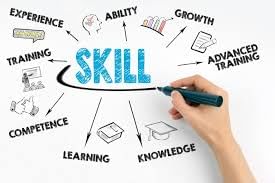
- Core Skills - A foundational Year 7 core skills course online that covers critical thinking, communication, and problem-solving in an integrated format.
Grade 7 extracurricular courses like robotics, chess, piano, and animation don't just make students more interesting - they develop resilience, creativity, and analytical ability that translate directly into better academic outcomes. The best skill development courses for Year 7 students are those that align with the student's interests while pushing them to grow beyond their comfort zone.
Start exploring these Year 7 online courses on EduRev today and build the skills that will matter not just in Class 7, but throughout your academic and professional journey.
Year 7 FAQs
| 1. How do I prepare for Year 7 exams without getting stressed? |  |
| 2. What subjects do I need to focus on most in Year 7? | |
| 3. How much time should I spend studying each day for Year 7 exams? | |
| 4. What are the best study techniques for memorising formulas and definitions? | |
| 5. How do I improve my English writing skills for Year 7 assessments? | |
| 6. Can I score well in Mathematics without extra tuition in Year 7? | |
| 7. What's the easiest way to understand Science concepts in Year 7? | |
| 8. How do I manage multiple subjects when I have limited time for Year 7 revision? | |
| 9. What should I do if I'm struggling with a particular topic in Year 7? | |
| 10. How important is practising past exam papers for Year 7 exam success? | |